

resources for weavers: archives, museums, and inspiration
educational series, part 2 of 3

For many years I have collected archival material related to textiles, my favorite being books and periodicals. Coupled with experience in textile conservation, I’ve found myself immersed in rare and specialized archives over the years. Some of these are not open to the public, but those that are I’ve shared below.
These lists will grow and change over time — see also part 1: yarn, design tools and books and part 3: education and residencies. Please feel free to add your own favorites in the comments section below.
Archives
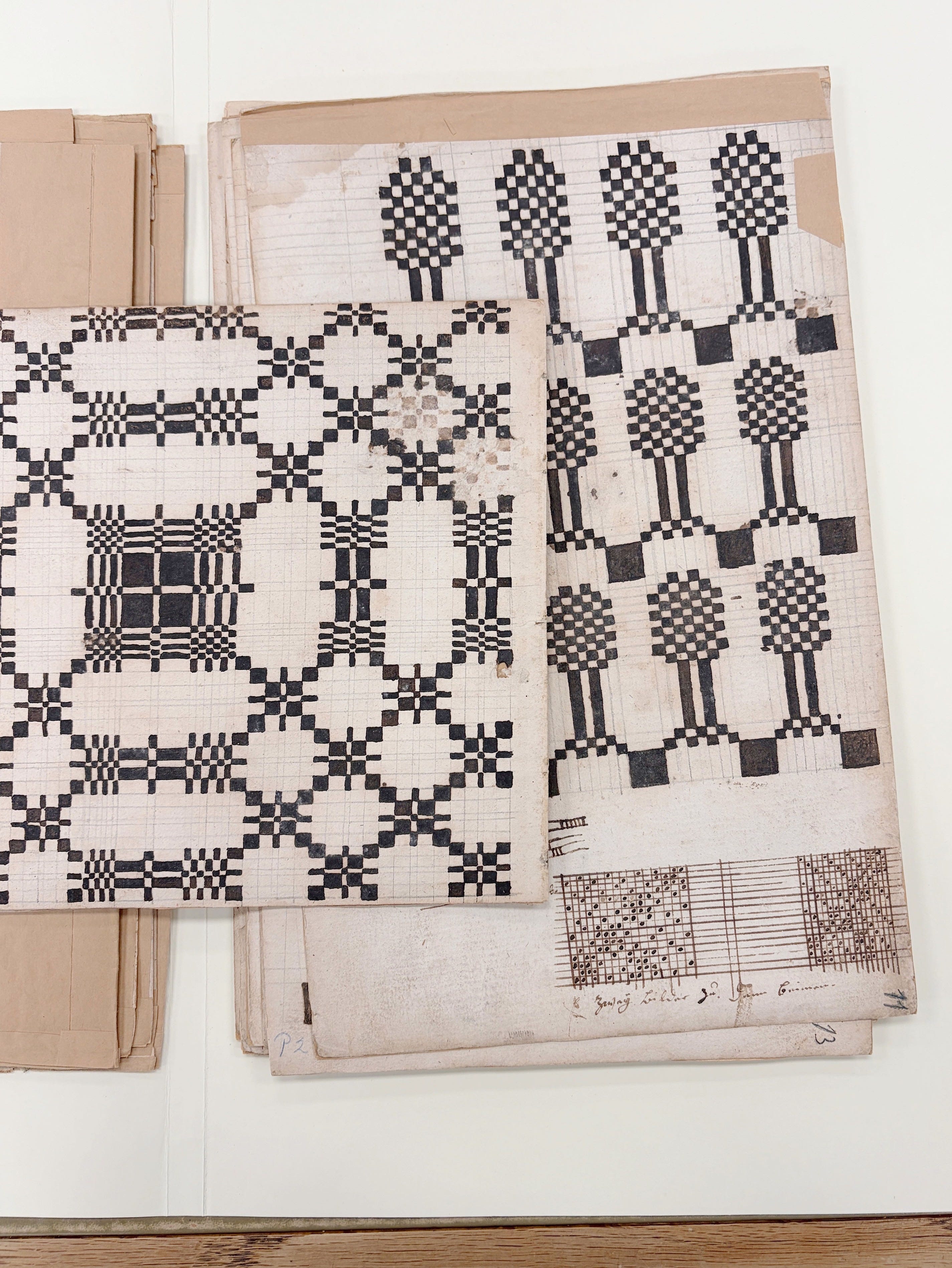
Online
Handweaving.net: This is single-handedly the most useful online resource for multi-shaft weavers. For a nominal fee ($34.99/year), you can access over 77,000 drafts, thousands of historic weaving documents, weaving tools, and more. Non-subscribers can still browse the archive, but will not be able to download, save, or edit any of the drafts.
The University of Arizona, “Online Digital Archive of Documents on Weaving and Related Topics”: The format of this website is not always easy to navigate, but it is worth the investment (don’t write it off at first glance!). This archive was started in 1999 by Ralph Griswold and has been a labor of love, involving many weavers and volunteer hours. It is a compilation of over 8,000 digital files including articles, books, ephemera, illustrations, manuscripts, monographs, periodicals, and more — all completely free to download for educational and personal use.
The Online Books Page of the University of Pennsylvania: This webpage is a collection of digitize books that are in the public domain, and where to find them. Some are view-only online but others are available to download.
Historicweaving.com: This is the website and blog of Elizabeth Tritthart, featuring many free drafts and interesting educational resources to discover. Although it is a bit hard to navigate, I find using the “Tags for Searching Posts” in the footer of the website extremely helpful. You can view one of my favorite posts here.
Philadelphia Library: The digital collection of the Philadelphia Library has two antique draft books digitized, along with some weaving samples. The books are available to download for free. The drafts from this book have also been turned into WIFs on handweaving.net.
Online & In-person
Winterthur Library / Winterthur, DE: The Winterthur Library has a digital collection, but the real draw is viewing the rare weaving draft books they have in special collections — these books were acquired from the American Textile History Museum when it closed. The library is open to the public for browsing, but the use of special collections and archives is available by appointment only.
Thousand Islands Art Center, The Handweaving Museum / Clayton, New York: The Thousand Islands Arts Center houses a collection of over 20,000 textiles, including works by weavers Berta Frey, Lucille Landis, Mary Meigs Atwater, Mary Snyder, and Theo Moorman.
Tatter Blue Library / New York, NY: This library is home to 10,000 books, journals, exhibition catalogs, and objects that examine and celebrate the global history, traditions, makers, craft, and beauty of textiles. You can also view their catalog online here.
The Library of Congress / Washington, DC: The Library of Congress is an invaluable resource with extensive online archives. For example, searching the keyword “weaving” brings up 592,673 results.
The Design Center at Jefferson University, The Textile & Costume Collection / Philadelphia, PA: I worked at this collection when I was in graduate school, and it is open to the public by appointment. Some of my favorite objects are the Dorothy Liebes swatches, the Coptic textiles, and a rare selection of barkcloth.
Center for Craft Materials Collection / Asheville, NC: This is a collection of textile-related raw materials that also has an digital catalog. The Center for Craft describes the collection as: “Materials can take different states (solid, liquid, and gas) and be captured in various forms of processing (raw cotton, cotton thread, woven cotton).”
The George Washington University Textile Museum, Cotsen Textile Traces Study Center / Washington, DC: This center is home to textile study collections consisting of nearly 4,000 textile fragments. You can make an appointment to see objects from the collection and browse the online archive here.
Windham Textile and History Museum, “The Mill Museum” / Willimantic, CT: This museum has more than 20,000 objects, photographs, and documents related to textiles. You can make an appointment to see objects from the collection and browse the online archive here.
Kentucky Historical Society / Frankfort, KY: This archive has digitized a catalog of handwoven fabric samples preserved by Churchill Weavers over its 85 years of operation (from 1922-2007). A full size master sample was kept of every item produced in the production line, along with swatches of all the color combinations available.
In-person
Antonio Ratti Textile Center and Reference Library at the Metropolitan Museum of Art / New York, NY: This is one of the largest facilities for the study and storage of textiles in any major art museum and can be viewed by appointment.
Millersville University Archives & Special Collections / Millersville, PA: This archive houses Marguerite Porter Davison’s personal book collection.
The Craft in America Center Library / Los Angeles, CA: This library includes over 3,000 books, exhibition catalogs, and more than 2,000 periodicals dedicated to the art of craft and related topics. It is open to the public Tuesday–Saturday.
National Museum of the American Coverlet / Bedford, PA: This museum displays 80 to 100 coverlets at a time, along with early spinning wheels, barn frame looms, and more.
The Alling Coverlet Museum / Palmyra, NY: This museum features an array of hand-woven coverlets created between 1820 and 1880.
Textile Heritage Museum / Burlington, NC: This textile collection includes original paper documents, journals, photographs, personal effects, fabric samples, and machinery used in the earlier years (1800s–1900s) of the American textile industry.
Inspiration
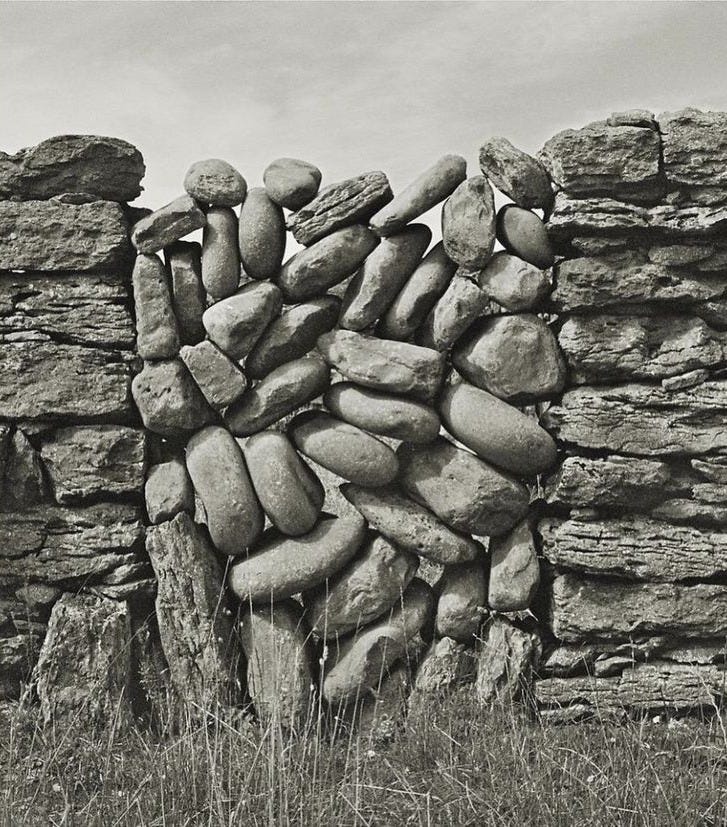
I think it goes without saying that I believe historic archives and libraries — particularly in person — are the best way to find inspiration. Although I have used social media to discover new ideas, I truly believe that I was able to develop my woven language and artistic practice so fluidly at a young age because I wasn't constantly scrolling on my phone. If I wanted to learn a new weaving technique, I went to the library. I asked a friend. I tried and failed a lot.
Next time you have the urge to open Pinterest, here’s what I’d suggest instead.
Go on a walk with only a small sketchbook. Draw 5 patterns you see in your nearby surroundings: cracks in the sidewalk, power lines slicing the sky, wildflowers dotting the horizon.
Take a bath (or go somewhere quiet and meditative). Force yourself to sit with your thoughts and let your mind wander.
Do something else creative that isn't art-making. Cook a meal, organize your closet, write in your journal.
Read a book about art history.
Misc: Magazines & More
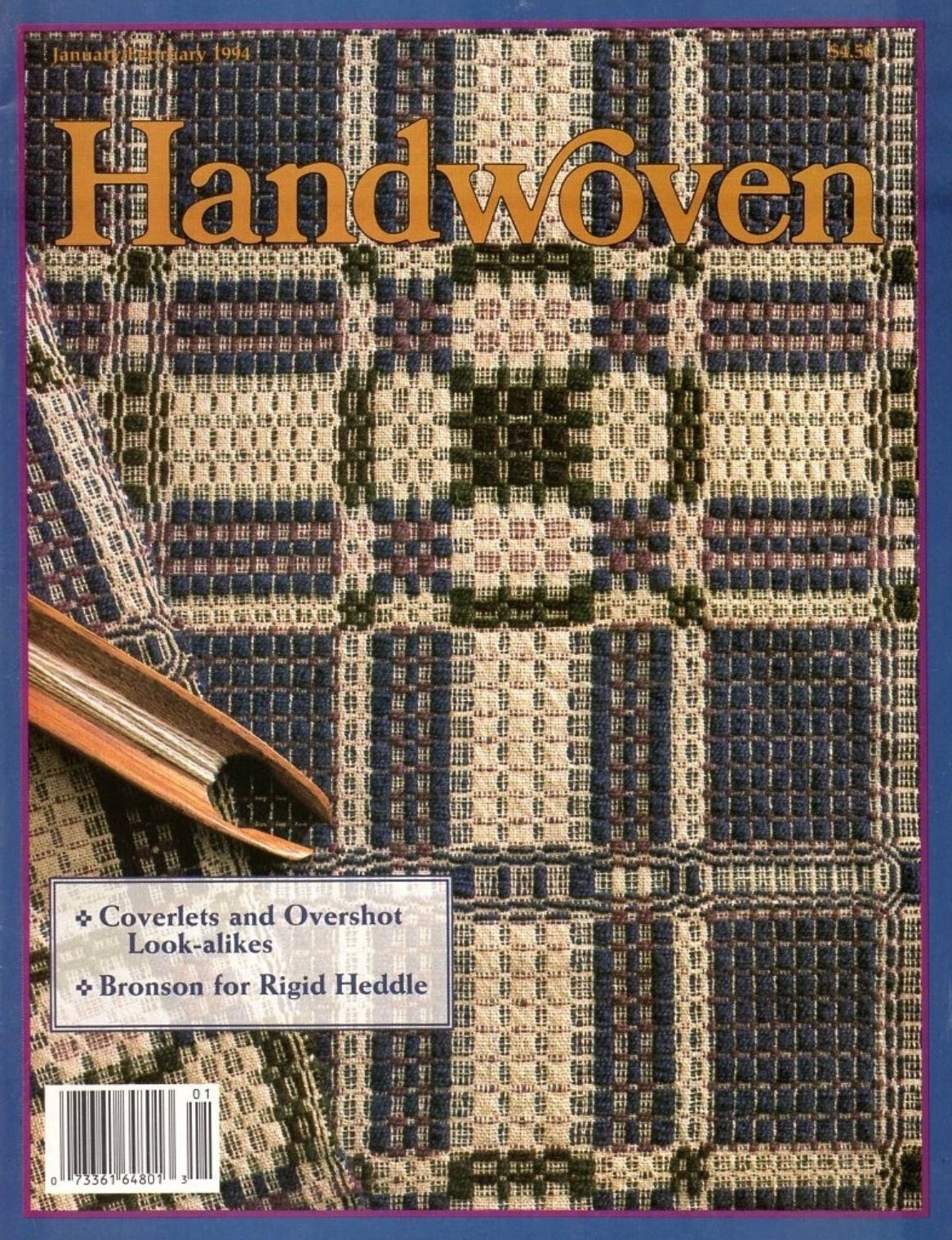
I love the idea of a walking sketchbook. I sometimes take pictures but that is not the same as reducing a pattern to lines. I also have on my list playing with sonogram patterns, especially birdsongs.
I really like the idea of letting life and more analog experiences inspire creativity instead of always looking online or on Pinterest. Life has a natural way of inspiring art when we slow down enough to notice it.